Twenty-five years building it. The sale check covers five. What about the next twenty?
The sale check runs out faster than most operators think.
When you sell, you trade twenty-five years of work for a number. The number feels like the answer. It isn't. It's the new question. How long is that number going to cover the life you spent twenty-five years building.
Most operators run the same quick math. Sale price minus federal cap gains. Minus state. Minus the wealth advisor's piece. Minus the fact that the lifestyle didn't shrink the day the wire hit. Then add inflation across the next twenty-five years and the number gets smaller in real terms every year.
For most operators selling a five to thirty million dollar business, the sale check covers five to ten years of current lifestyle. Maybe fifteen if you live conservatively and the markets cooperate. Then it runs out, or you draw it down so far that it stops compounding.
The standard wealth-advisor answer is to put it in a preservation portfolio. T-bills. Diversified equities. Maybe a piece in alternatives. The math on that approach is built around not losing the pile, not around producing durable income that outlasts you. It treats the sale check like a finite resource to be rationed, not a foundation to compound from.
The sale isn't the win. It's the moment the clock starts on whether the next twenty-five years are better or worse than the last twenty-five.
That's the actual question this page exists to answer. How do you take a sale check and turn it into a structure that produces income for the rest of your life and passes to your kids without the IRS taking another bite. Three structural problems the standard playbook gets wrong. Three phases of an NPI deal built around solving them.
Three phases. One direction. Built for the long hold.
Every NPI deal runs the same arc. Acquire and improve. Refinance. Hold for the next decade. There are other ways to structure a real estate investment, and they fit other goals. This is the one NPI is built for. The operator who's selling a business and needs the proceeds to produce durable income for the rest of his life.
Acquire and improve.
Buy workforce multifamily we can improve. Disciplined renovation, real on-site operations, and the tenant brand that drives rent premiums and retention competitors can't match. This is the value-add phase. It's where the equity is created.
Refinance. Return capital. No taxable sale.
Refinance into long-term agency debt. Most of your original capital returns as a non-taxable return of capital, not a sale. The asset keeps working. The IRS doesn't get a second bite. Your money is freed to compound somewhere else or stay in for the next ten years.
Compound. Distribute. Transfer.
The remaining capital compounds in a stabilized, agency-financed asset for the next decade. Quarterly distributions. Depreciation shelter against your post-exit income. Eventual sale or generational transfer with stepped-up basis. For the operator who wants the proceeds to outlive him, this is the version that fits.
Not every NPI investment follows this exact structure. Specifics are set deal by deal.
The structure is necessary. The operator running it is what makes it work.
A real estate fund is two things stacked. A legal and tax structure on top. An operating company underneath. The structures available to syndicators are mostly the same. What's different across firms is who's running the buildings, how, and the moat that creates over time.
NPI is built around three operator commitments. Each one is the answer to a question most syndicators don't get asked until something goes wrong.
I built businesses before I built a fund. The same operating discipline that scaled an Amazon business with no ops team is what runs the multifamily portfolio.
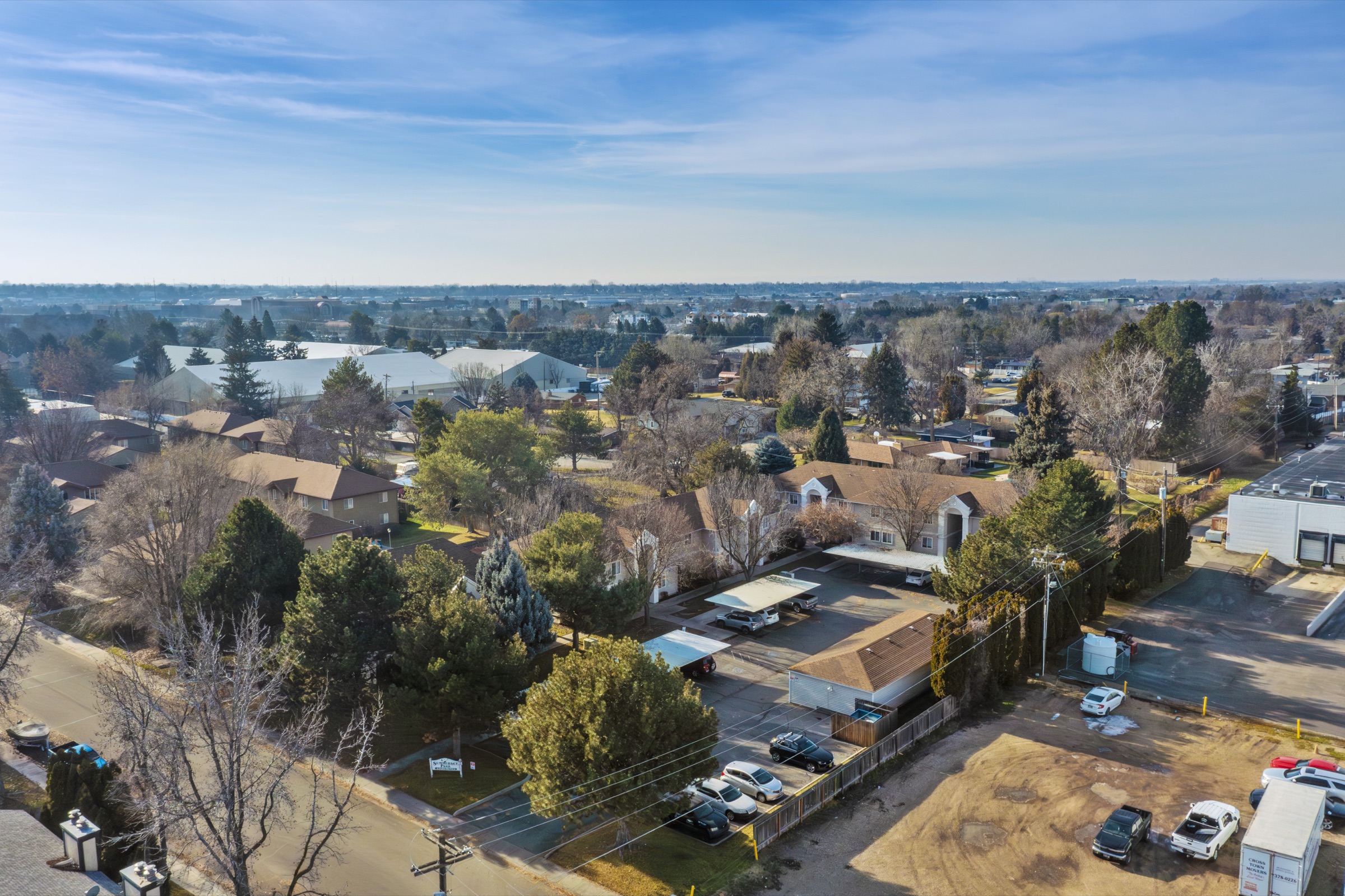
The day-to-day team is Boise-based, in the buildings every day. My on-site property manager has thirty-plus years of operating experience in the Boise market. The operating cadence is built around the local team, not around me. The signature on every property says A Neely Family Property because that's the deal.
The tenant brand is the part most syndicators don't build. We're building one. It's called Neely Family Properties. One master site for every building we own. One email list that grows across every property. Service-Level Commitments published and signed by the family that owns the building. A property-manager-led Walkthrough before anyone signs a lease. Rolling out starting at our first acquisition.
A typical syndicator doesn't have a tenant-facing brand at all. Their renter shows up via Apartments.com on a one-off lease, leaves when the rent goes up, and the next renter starts from zero. We're betting that an owned tenant audience compounds — and that the compounding shows up in retention, in lease-up speed, and in the rent the next deal can support.
- 01
Operator-led, not investor-led.
I'm an operator who scaled and almost lost a concentrated business before I built NPI. The fund exists because of what I learned that week. The same person making the underwriting call is the one who answers the maintenance call.
- 02
AI-powered operations, not added staffing.
I run multiple businesses without a traditional ops team. The same workflows apply to multifamily. Underwriting, asset management, investor reporting, tenant communications. Tech-leveraged from day one, not bolted on later.
- 03
A tenant brand designed to compound across properties.
Neely Family Properties is in build. One master site, one email list, one set of Service-Level Commitments across every building we own. Rolling out starting at our first acquisition. The list is the asset most syndicators never build, and the one we're committing to early.
The structure is the easy part. The operator and the tenant brand are the part you can't copy by reading a deck.
Where the deals come from and what's at stake on every one.
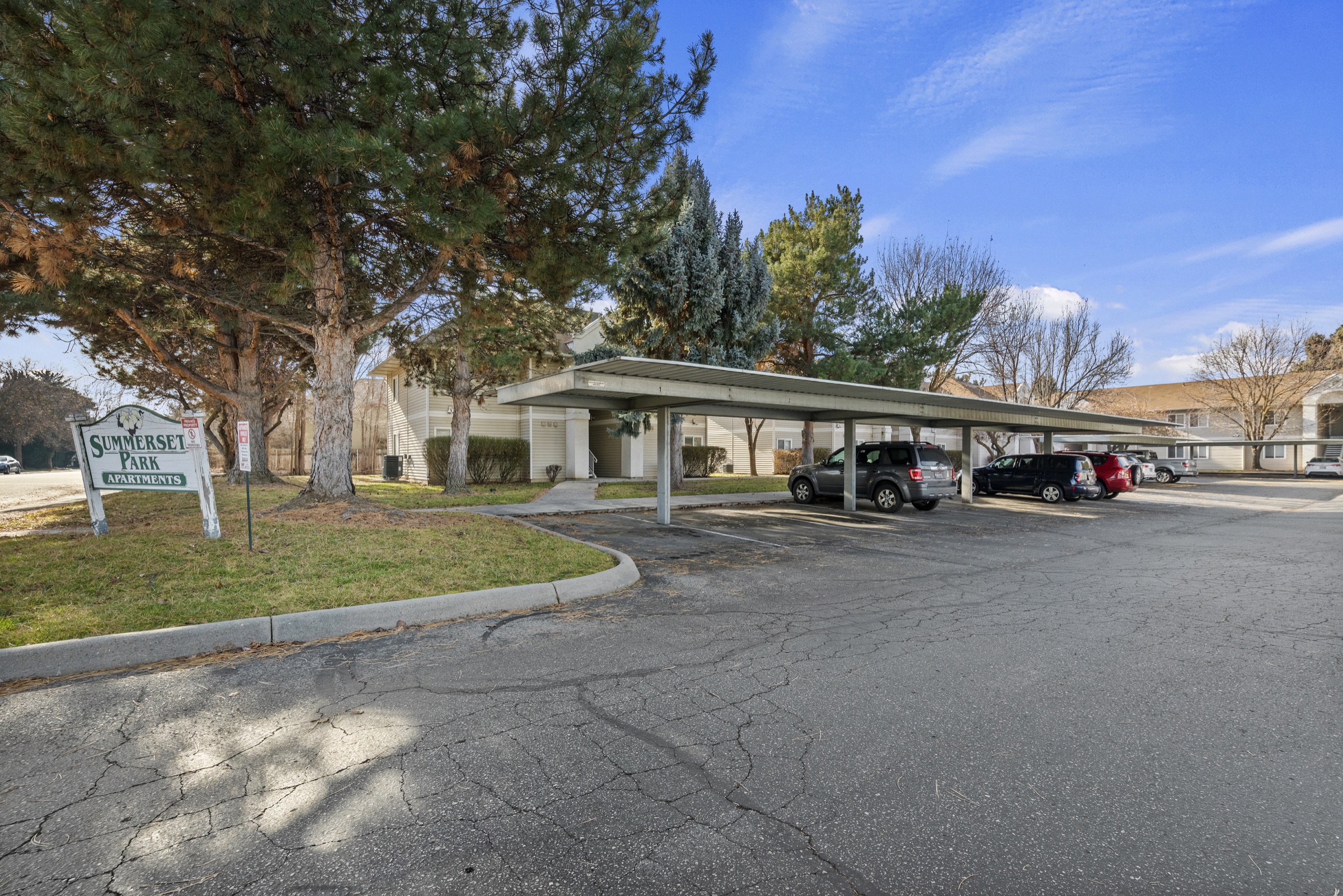
We invest where we have a real team on the ground. Boise is the anchor. Secondary Intermountain West markets fill out the portfolio. Workforce multifamily, not luxury. The renter base is durable through cycles. The rent growth is structural. The operating playbook is one we've already built and run.
Years of relationships in this market matter. Brokers, owners, lenders, property managers. Most of the deals we underwrite never run a broker process. The tenant brand we're building is part of that flywheel. Sellers know the buildings will be cared for, and that opens deals other buyers don't see. Off-market access compounds. So does what the deals can return.
No coastal trophy assets. No markets where we don't have a real on-site team. No funds with capital chasing a deal that hasn't been identified yet. Every guardrail below exists because the alternative is the thing that costs LPs money.
I'm a steward of capital, not a salesman for it.
My money in, first.
I commit personal capital to every deal before any LP capital is called. My money is at risk first, alongside yours through the hold.
One deal. One property.
LP capital is matched to a specific identified property. You see the underwriting, the comps, and the operating plan before you commit.
A direct conversation.
With me, before any commitment. The fund is small enough that this is the standard, not the exception.

The full after-tax math is in the playbook.
The AI workflows I'm using to run multiple businesses without an ops team. The exit-prep tax math your CPA hasn't shown you. Written for the operator two to seven years from a sale.